
What School Bus Drivers Need to Know: Driver Training Fundamentals
Although sometimes overlooked, school bus drivers play one of the most critical roles in any school district. Managing the safe transport of students requires a unique set of skills that include technical ability, emotional intelligence, situational awareness and more. Ongoing staffing shortages nationwide have created significant opportunities for people interested in becoming a school bus driver. Despite the high demand, ensuring that every driver is trained and ready is an absolute necessity for district and bus fleet operators. Let’s explore what is needed in school bus driver training courses.
Key Areas of Focus for School Bus Drivers
Whatever the size of the district, school bus drivers need to be trained and ready for everything that the road, the weather and students throw at them. School bus driving requires a lot more than basic driving skills. In order to succeed, a new incoming driver needs to master the unique challenges of operating a large vehicle while overseeing dozens of active students.
One commonly asked question is, what are the three most important skills for a bus driver? In the broadest sense, the answer is vehicle mastery, student management and the ability to multitask. To help you understand some of the finer details of how to train to be a bus driver, here are a few essential areas that should be covered in your school bus driver training materials:
Core Driving Skills
- Master the Pre-Trip Inspection: Before leaving the lot, it’s crucial to conduct a detailed pre-trip inspection. Review everything from tires and fuel levels to mirrors and emergency equipment.
- Understand Vehicle Tendencies: Clocking in at over 30 foot long with a fully loaded weight of up to 36,000 lbs., the typical yellow school bus requires a lot more room to stop and turn than a personal vehicle. It is essential to give yourself plenty of braking distance. When you are maneuvering, don’t guess. Always make sure to get an up-close look at your surroundings.
- Know Your Equipment: The dashboard provides critical information on your vehicle system. Make sure that you understand what every gauge, lever and light means. Being able to quickly spot warning signals helps reduce the risk of problems on the road.
- Practice Defensive Driving: Always maintain safe following distances, watch for potential hazards and remain focused on the road despite noise levels inside the bus.
Passenger Interaction
- Student Management is Critical: New drivers typically report that dealing with student behavior is the most challenging part of the job. To successfully handle student noise, arguments and misbehavior, training must include conflict resolution techniques.
- Set Expectations Early: Be sure to establish clear rules and a zero-tolerance policy for safety violations. Enforcing rules consistently helps maintain order, prevent minor issues from escalating and establish a sense of fair play.
- Personalize the Experience: Learning student names and greeting them as they board can be one of your most effective behavioral tools. This simple act creates a welcoming environment and can often help cool down a tense situation later.
- Observe and Report: Safety is your primary job. While there may be occasions where you need to intervene, your role is more typically to observe, report and document misbehavior to the school administration.

Route Familiarity & Punctuality
- Review Your Route Daily: Even if you drive the same path every day, you should always review your assigned route, stop times and look out for any temporary changes. Missing a stop or being significantly late can disrupt the entire school day.
- Prioritize Punctuality: Arriving at the yard, at the first stop, and at the school on time is non-negotiable. Allow time in your schedule to review traffic and weather reports as well as to make necessary vehicle checks.
- Pay Close Attention to Details: Watch for who is crossing the street, who needs assistance, and what students may have been left behind after your route is complete.
Emergency Preparedness
- Practice Evacuation Drills: Emergencies can happen. Students will often take their cue on how to react from your emotional response. Be prepared to calmly and efficiently handle accidents, mechanical breakdowns or student medical issues. Your training should cover evacuation procedures so that you can ensure that all students, including those with special needs, exit the vehicle safely.
- Learn Basic First Aid: Make sure that you have up-to-date training in both CPR and basic first aid so that you can provide immediate assistance until professional help arrives.
Recommended Training Focus for Districts & Veteran Drivers
For districts and school bus fleet operators, it is critical to provide veteran staff with professional development. Annual refresher courses and specialized training help them sharpen their skills and adapt to new and evolving regulations and technology. The table below provides examples of topics you should cover in your professional development and new hire curriculums:
|
|
|
|---|---|
| Ongoing Safety & Compliance | Mandate regular refresher courses on defensive driving, severe weather operation and updated traffic laws. Use simulation-based training to practice high-risk scenarios. |
| Technology Integration | As bus technology evolves and becomes more complex, provide hands-on training for onboard computer systems, GPS navigation tools, dash-cam operation and other advanced vehicle features. |
| Student Management & Conflict Resolution | To help drivers manage students, host workshops on de-escalation techniques, cultural sensitivity and effective communication with students, parents and school staff. |
| Physical and Mental Well-Being | To help improve driver well-being, offer sessions on stress management, maintaining a positive work-life balance and proper ergonomics to combat the physical demands of the job. |
| Post-Route Procedures | Establish strict protocols for post-trip checks to ensure no child is left unattended on the bus, reinforcing compliance with "Leave No Student Behind" safety policies. |
How Does IC Bus Help Bus Drivers in Training?
Whether you are just starting out as a bus driver or a longtime veteran, IC Bus is dedicated to helping you make every run safe. Here are a few of the IC Bus features that help drivers drive more safely:
- Helping Prevent Accidents: Bendix® Fusion™ 3.0 is the newest generation of safety technology, combining radar and camera systems to deliver advanced collision mitigation—including automatic emergency braking, stationary object detection, and lane-based alerts. This comprehensive, proactive solution is designed to help drivers avoid accidents before they occur.
- Maximizing Visibility: From the single pane glass on the front exit door to the sloped hood and center post-free windshield, the IC Bus CE Series gives drivers a wider, clearer view of surrounding areas and helps reduce blind spots.
- Easier to Be Seen: The daytime running lights and First Light illuminated school bus signs and fully illuminated stop arms make it easier for other road users to see the bus.
- Supporting Safety Protocols: IC Bus vehicles include the Leave No Student Behind child monitoring system. This feature helps ensure that drivers have completed the mandatory walk-through to confirm that no children have been left on the bus after the route has been completed.
- Helping Improve Stability: The Bendix ESP® (Electronic Stability Program) system helps drivers maintain control in emergency maneuvers or on slippery surfaces, reducing the risk of rollovers and slides.

Other articles you might like
-

September 18, 2026
Why Total Cost of Ownership Matters More Than Purchase Price
When evaluating a new school bus, it's easy to focus on the purchase price. After all, vehicle acquisition is one of the largest investments a transportation department will make. But the true cost of a bus extends far beyond the initial transaction.
-

July 20, 2026
IC Bus - A History of Innovation
For over 90 years, IC Bus has been moving students safely to and from school. What started as a small operation in Arkansas has become one of the most recognized names in school transportation—a brand known for building buses that last, equipped with advanced safety features, and designed to make the driver’s job easier.
-
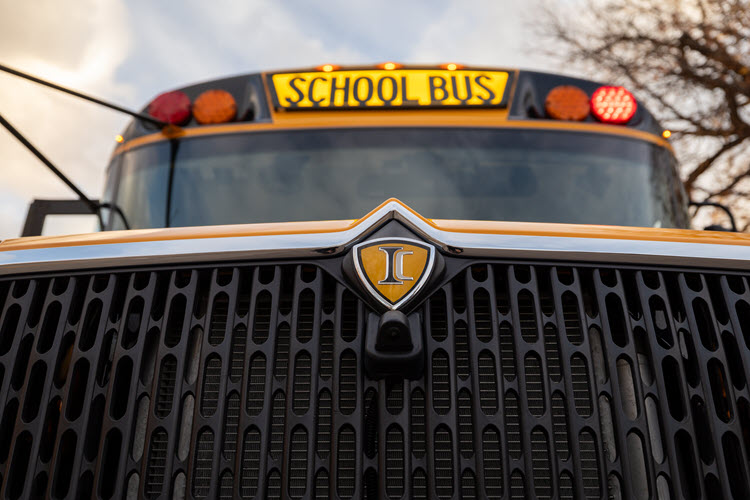
April 20, 2026
Setting Drivers Up For Success
Behind every IC Bus CE Series is a group of people who take their responsibility personally. The engineers, welders, technicians, and inspectors who build each bus all play a role in creating a vehicle designed to safely serve students and their communities.
-
October 21, 2025
250,000 Units Mark Moment in Deep IC Bus History
After 25 years in operation and 250,000 units (and counting) coming from the IC Bus, LLC (IC Bus) Tulsa Bus Plant, the people at IC Bus have a lot to celebrate.
-
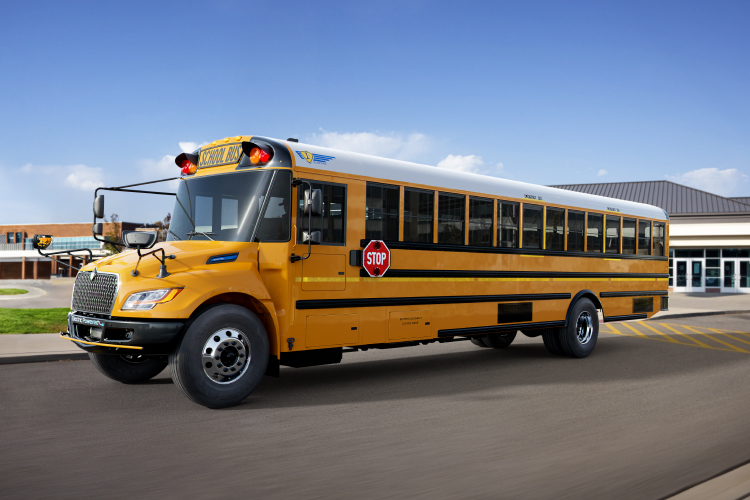
January 22, 2025
Electric Bus Myths and Facts
Electrified transportation represents an important sustainable option and there is no shortage of opinions, predictions and misunderstandings. The fact is, it’s happening and it’s happening now – especially in the school bus world. That’s why it’s important to consider all the facts when planning your EV fleet strategy.
-
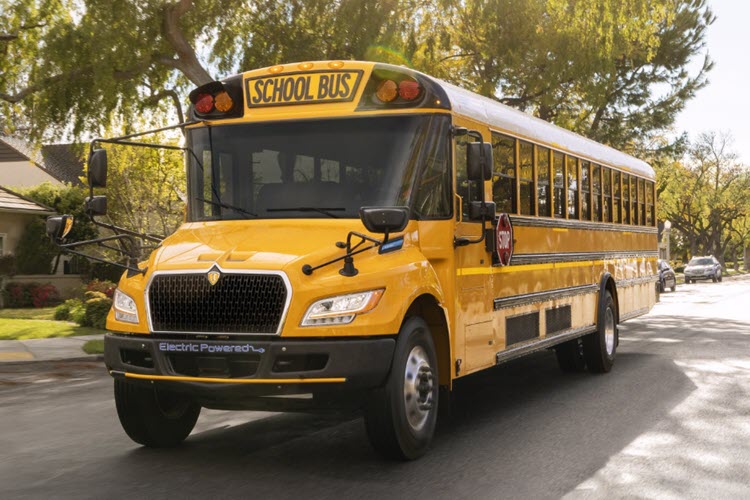
December 16, 2024
Everything You Need to Know about Adding an EV Bus to Your Fleet
Want to add electric vehicle (EV) buses to your school fleet but aren’t sure where to start? Watch these six short videos from IC Bus® to get insights and tips from experts on what you need to consider and how to get help along the way.